Sea of the Hebrides — Coll, Tiree and Mull
Where to see basking sharks in Scotland
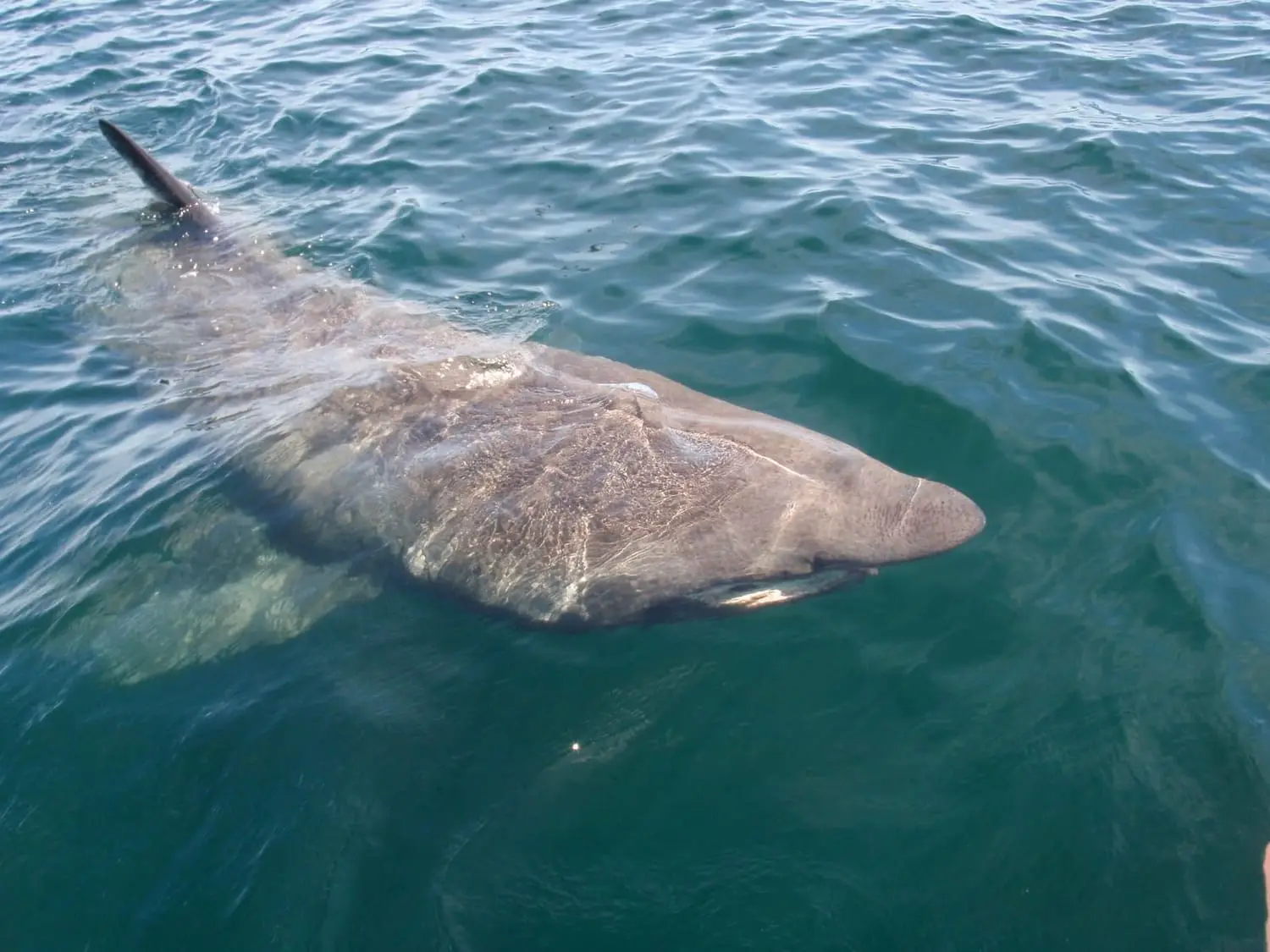
The Sea of the Hebrides is the most reliable place on earth to get in the water with a basking shark, and it became the world’s first Marine Protected Area designated for the species in 2020 on the strength of satellite tagging that showed summer site fidelity. You reach them by small boat out of Oban or Coll between May and October, with July to September the strongest window. It is a snorkel encounter — the operators do not permit scuba.
Best time: May to October, peaking July to September
Consistently reported, but a good way short of a sure thing.
When to go
First arrivals come in April, but the season that matters runs May to October with July to September carrying the encounters. By September and October the sharks begin moving south and the limiting factor becomes weather cancellations rather than absent animals.
Best dive sites for basking sharks in Scotland
-
Gunna Sound, between Coll and Tiree
The classic snorkel ground. Tagging and towed-camera work found sharks aggregating here both at the surface and near the seabed, sometimes hanging almost motionless in groups.
-
Hyskeir (Oigh-sgeir)
An offshore reef and lighthouse northwest of Coll where sharks feed near the surface each summer; a standard leg on multi-day charters.
-
Skerryvore reefs, southwest of Tiree
An exposed offshore reef system identified as an aggregation area in the tagging work. Weather-dependent and only reachable on settled days.
How to see them
Book a dedicated basking shark boat rather than a general wildlife cruise. Day trips exist, but multi-day trips out of Coll are the honest recommendation because they buy the weather windows a single day cannot. The drill is spotting first: the skipper watches for dorsal and tail tips cutting the surface, judges whether that animal is relaxed, then drops a small group quietly ahead of its line so the shark swims to you. Wetsuit or drysuit, mask, snorkel and fins — no scuba, no flash, no touching, and the boat goes to neutral inside 100 metres.
What an encounter is like
A five to eight metre animal with a metre-wide mouth held wide open, moving toward you at walking pace through green Hebridean plankton soup with maybe five to ten metres of visibility. The plankton that makes the encounter possible is the same plankton that limits what you can see, and you often register the tail before the head. Be honest about the odds: this is weather and plankton roulette, the fronts move year to year, and a flat calm day is what makes fins visible at all. A single day trip is close to a coin toss; a multi-day trip in August is where the confidence comes from.
Frequently asked questions
- Where can you swim with basking sharks in Scotland?
- The Sea of the Hebrides, off Coll, Tiree and Mull, reached by boat from Oban or Coll. Gunna Sound between Coll and Tiree is the classic snorkelling ground.
- Can you scuba dive with them?
- No. The Scottish operators run snorkel trips only and explicitly do not allow scuba, because exhaled bubbles push the sharks down and away from the surface.
- How close can you get?
- Voluntary codes ask for a minimum of 4 metres and no more than four people in the water near one shark. That distance is guidance rather than statute, but disturbing or harassing a basking shark in British waters is a criminal offence under the Wildlife and Countryside Act 1981.
- Are sightings guaranteed?
- Not remotely. Sharks follow plankton fronts that shift year to year, and calm weather is needed just to spot fins. Some seasons are exceptional and some are thin, which is why multi-day trips are worth the extra cost.
Sources
- Case study: Basking sharks in Scottish waters — Marine Scotland — Scotland's Marine Assessment 2020
- Tagging project confirms Sea of the Hebrides importance to basking sharks — NatureScot
- Basking Shark Code of Conduct — The Shark Trust
- Our Code of Conduct — Basking Shark Scotland