Yonaguni Island, Okinawa
Where to see hammerhead sharks in Japan
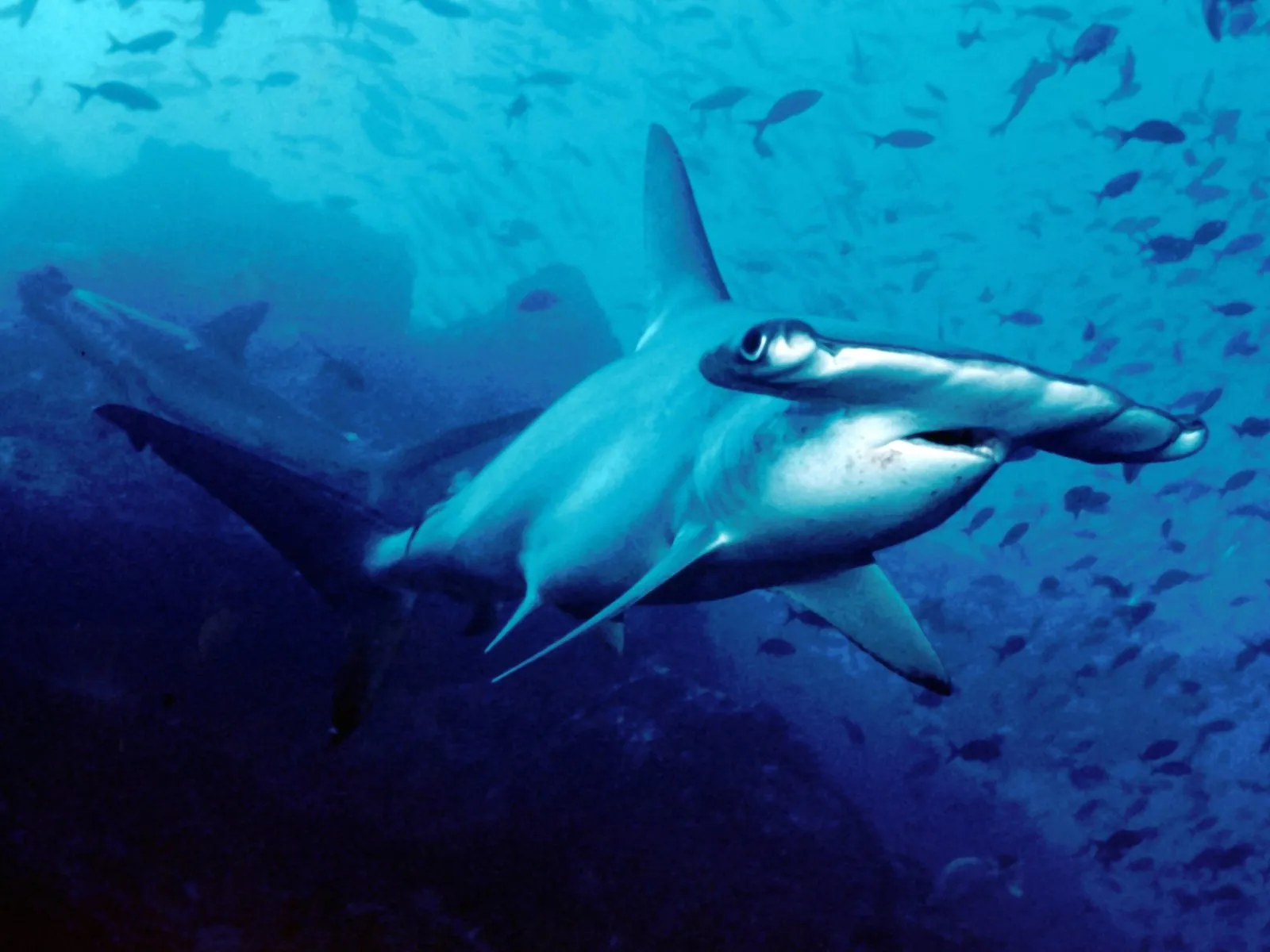
The best-documented place to see hammerhead sharks in Japan is Yonaguni Island in Okinawa, where scalloped hammerheads school in reported groups of 100 or more from December to March. It is demanding, current-swept winter diving for experienced divers. Mikomoto Island near Tokyo is a warmer-water alternative in summer.
Best time: Winter, December to March
Well documented, and reliably seen in season.
When to go
Yonaguni's season tracks winter water of roughly 21–25°C, when scalloped hammerheads aggregate in numbers near the island; operators cite December through February or March as the core window, with sightings reported as late as April or May in some years. Mikomoto reverses the pattern: on Izu's Kuroshio-warmed coast, schools are most reliable June through October, with July–September the highest-probability period. In both places the schooling is linked to the Kuroshio Current's seasonal position.
Best dive sites for hammerhead sharks in Japan
-
Irizaki
The primary hammerhead point off Yonaguni, about 10 minutes from port. Open-water drift dives to 25–30 m where the schools are most often met.
-
West-side drift points (Nagura area)
Several current-swept sites on Yonaguni's west and south coasts are worked depending on conditions, since the sharks follow where the current concentrates bait.
-
Underwater Ruins
Yonaguni's famous rock formation, shallower at about 17 m and diveable year-round. Not a hammerhead point, but usually combined with the shark dives on the same trip.
-
Mikomoto Island, Izu Peninsula
A rocky island reachable from Tokyo where scalloped hammerheads gather in warmer months, roughly June to October with July–September the peak. A pure drift dive with no descent line.
How to see them
Yonaguni hammerhead diving is a winter, current-driven activity for experienced divers. Operators commonly require Advanced Open Water plus a minimum logged-dive count — the minimums I've seen range from about 50 to 150 dives — along with genuine comfort in strong drift and depths of 25–40 m. Trips are usually multi-day packages (for example eight boat dives over three days) from Naha or Yonaguni itself, and some operators require a minimum of two participants and a medical questionnaire. Mikomoto near Tokyo has a lower bar, around 50 dives, and runs in the warmer months.
What an encounter is like
Encounters are not guaranteed, and operators are explicit that sightings depend on current, visibility and season. When it lines up, divers report large, tightly packed schools sometimes exceeding 100 animals moving through blue water off the current-exposed points, and the Yonaguni sharks are often described as large, mature individuals. Visibility can exceed 50 m in good conditions — but the same Kuroshio current that draws the sharks makes these dives physically demanding. Scalloped hammerheads are skittish and tend to keep their distance, so long-range views are far more common than close passes.
Frequently asked questions
- Where can I dive with hammerhead sharks in Japan?
- Yonaguni Island in Okinawa is the main destination, with schools of scalloped hammerheads reported off points such as Irizaki through winter. Mikomoto Island off the Izu Peninsula near Tokyo is a documented alternative during the warmer months.
- When is hammerhead season at Yonaguni?
- Operators most commonly cite December through February or March as the core season, tied to winter water of roughly 21–25°C. Some sources report sightings continuing into April or May.
- Are hammerhead sharks dangerous to divers?
- Scalloped hammerheads are not considered dangerous to divers. They feed on fish, rays and cephalopods, not large mammals, and are generally skittish — they keep their distance rather than approach. The International Shark Attack File records no confirmed fatal attacks by hammerhead species.
- What experience do I need to dive with hammerheads at Yonaguni?
- Most operators require Advanced Open Water or equivalent with a substantial logged-dive count, since the dives involve strong drift current and depths of 25–40 m. Requirements vary, so check the minimum dive count before booking.
Sources
- Yonaguni Island Hammerhead Shark Diving — Aloha Divers Okinawa
- Diving in Yonaguni Island, Okinawa — Marine Diving Web
- Hammerhead shark dive — Mikomoto, Yonaguni — EastDive (Diving Tokyo)
- Scalloped Hammerhead Shark — NOAA Fisheries