Sydney and Jervis Bay, New South Wales
Where to see port jackson sharks in Australia
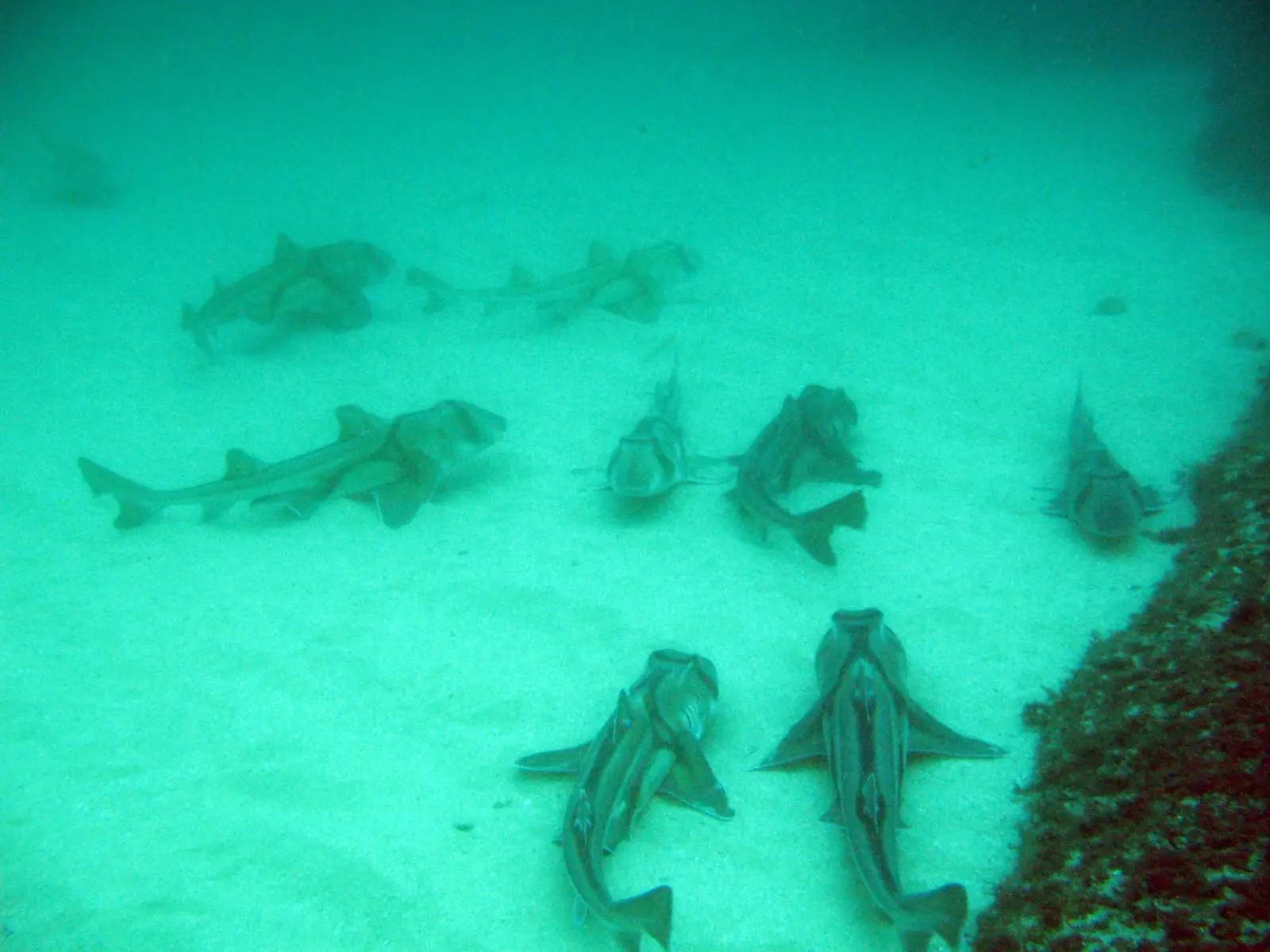
Sydney is the easiest place in the world to dive with Port Jackson sharks, and the season is winter. They move into the New South Wales shallows from about April and gather to breed from July to October, when a single rocky gutter on a shore dive can hold several. Shelly Beach, Gordons Bay, Bare Island and The Steps at Kurnell are the dependable Sydney sites; Jervis Bay is one of only a handful of known breeding aggregation sites on the coast.
Best time: July to October; August and September the peak at Jervis Bay
Well documented, and reliably seen in season.
When to go
This is a genuinely seasonal dive. Port Jacksons arrive in the New South Wales shallows from about April, breeding aggregations build from July, and August to October is the peak, after which they disperse to deeper and more southerly water for summer. Diving for them in January is largely a wasted effort. Winter also brings the coldest water of the year here and the giant cuttlefish aggregations, which is a fair trade.
Best dive sites for port jackson sharks in Australia
-
Shelly Beach, Cabbage Tree Bay
A protected aquatic reserve at Manly and the most dependable winter site in Sydney: a shallow shore dive with sharks tucked under ledges along the reef, in water calm enough for a long, slow search.
-
Bare Island and The Steps, Kurnell
Botany Bay shore dives with overhangs, gutters and swim-throughs that hold Port Jacksons through the colder months, often several to a ledge. Both are entry-dependent on swell.
-
Jervis Bay
Three hours south, and one of only three known Port Jackson breeding aggregation sites in New South Wales. Late winter and early spring — August and September — is when the bay fills.
How to see them
Almost all of this is shore diving, which makes it cheap and repeatable but tied to swell — check the forecast, because a metre of surge turns a gutter dive into a washing machine. A 7 mm wetsuit or a drysuit is the honest recommendation: winter water on this coast runs about 16–18°C, and this is a slow dive spent peering under ledges rather than swimming. Look into the shadows in gutters, under overhangs and along the base of walls, and look for the spiral egg cases wedged into crevices while you are down there. Open Water is plenty; a torch is more useful than depth.
What an encounter is like
Blunt-headed, harness-marked sharks around a metre long, lying still under ledges and frequently stacked several to a shelter. They will not move much, which makes them one of the most photographable sharks anywhere. Alongside them expect the rest of the Sydney temperate cast — weedy seadragons, giant cuttlefish in winter, wobbegongs and blue gropers — plus the corkscrew egg cases, which are worth finding and leaving exactly where they are.
Frequently asked questions
- Do I need a boat?
- No, and that is much of the appeal. The best Sydney sites are shore dives — Shelly Beach, Gordons Bay, Bare Island, The Steps — so the limiting factor is swell and parking rather than boat schedules.
- How cold is it?
- Winter water on this coast sits around 16–18°C, and these are slow dives spent looking under ledges rather than moving. A 7 mm suit with hood and gloves is the sensible minimum; plenty of locals dive dry.
- What are the spiral things in the crevices?
- Port Jackson egg cases. The female produces a tough, screw-shaped case and works it into a rock crevice so it cannot wash out. Leave them where they are — removing one to photograph it generally kills the embryo inside.
Sources
- Port Jackson Shark — Abyss Scuba Diving
- Where to See Port Jackson Sharks in Sydney — Vizzbud
- Jervis Bay Important Shark and Ray Area — IUCN Important Shark and Ray Areas
- The Port Jackson shark — VIZ