Revillagigedo archipelago (Socorro, San Benedicto, Roca Partida)
Where to see silky sharks in Mexico
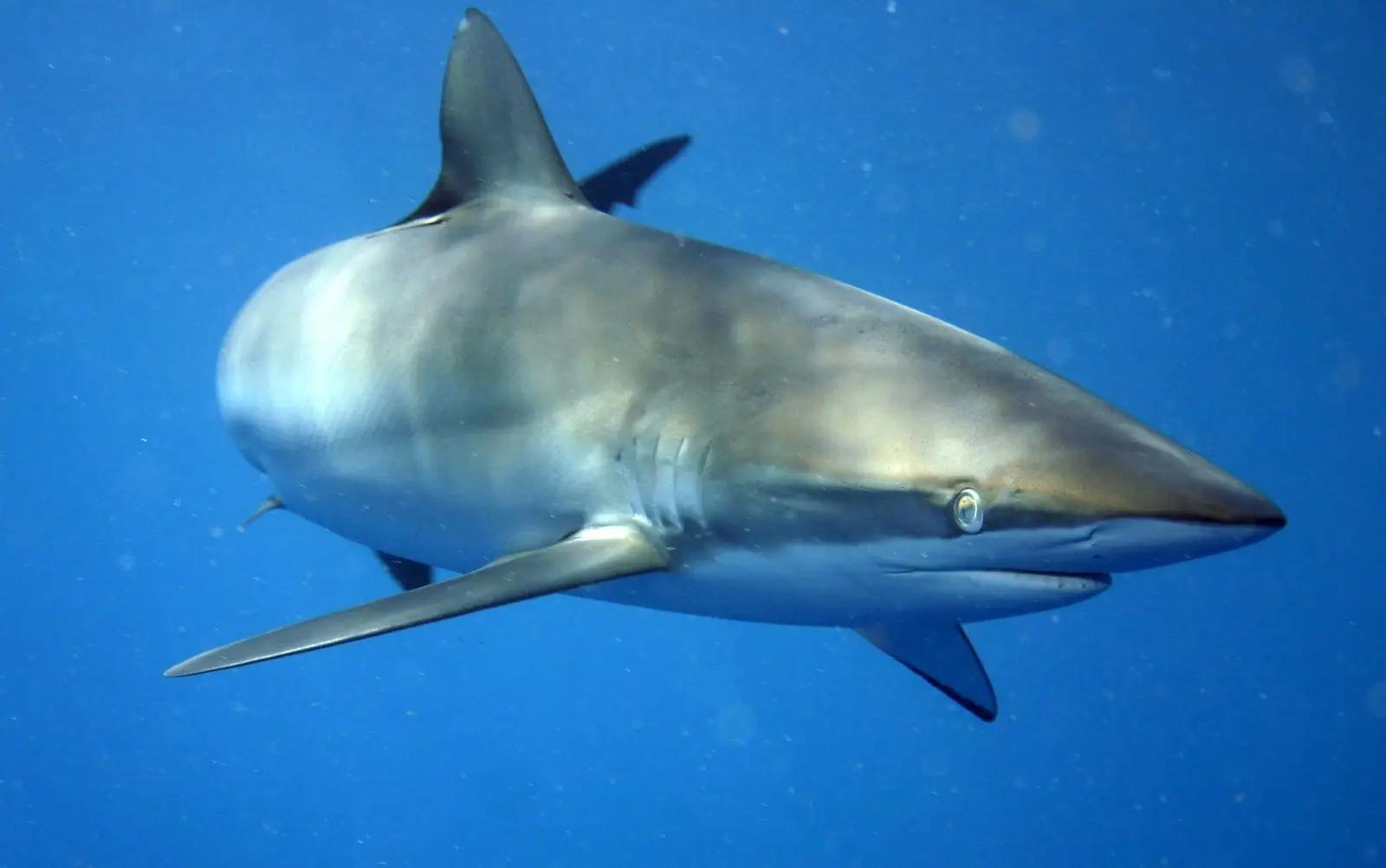
The Revillagigedo archipelago, several hundred kilometres off Baja California and reachable only by liveaboard, is the accessible place to dive with silky sharks. They are part of the standard cast alongside giant mantas, hammerheads and dolphins, and are most numerous in May and June at the end of the season. The reliable encounter is often not on the reef at all but on the safety stop, where silkies gather in the blue directly beneath the hull.
Best time: Liveaboard season November to June; silkies most numerous May and June
Well documented, and reliably seen in season.
When to go
The season is set by weather rather than by the sharks: liveaboards run from about November to June and the archipelago is effectively closed the rest of the year. Silkies and hammerheads peak toward the end, around May and June, when the water is warmest. The early months are cooler and are when humpbacks are present, so the trade is whale song and cooler water against the best shark numbers.
Best dive sites for silky sharks in Mexico
-
Under the boat
Not a site so much as the most dependable silky encounter of the trip. They congregate beneath hulls and floating objects, so the safety stop at the end of almost any dive puts you in blue water with several circling — and snorkellers off the stern see them too.
-
Roca Partida
A bare pinnacle rising from deep water with nothing around it, which concentrates open-ocean animals against the rock. Silkies, whitetips stacked in ledges, tuna, and the archipelago's best odds on a big-animal parade.
-
Punta Tosca and Cabo Pearce
Socorro and San Benedicto sites where silkies turn up in blue water off the drop-offs, often alongside bottlenose dolphins and the giant mantas the archipelago is famous for.
How to see them
This is liveaboard-only diving: boats leave from Cabo San Lucas and the crossing takes 24 to 30 hours, so trips run seven to eleven nights. Advanced Open Water and solid experience are expected — the sites are exposed pinnacles with current, surge and no shallow reef to retreat to, and depths of 25–30 m are routine. Nitrox is close to essential for the repetitive profiles. For silkies specifically, the advice is simply to look outward and upward on your safety stop instead of at the reef, and to get in the water off the stern between dives.
What an encounter is like
Slender, sickle-finned sharks of two metres or so, several at a time, circling steadily in blue water without the pushy persistence of an oceanic whitetip. Around them the reason people come: giant oceanic mantas that approach divers deliberately, schooling hammerheads, Galápagos and whitetip reef sharks, bottlenose dolphins, and humpbacks audible through the water in winter. Water runs about 21–27°C depending on the month, cooler early in the season.
Frequently asked questions
- Can I dive Socorro without a liveaboard?
- No. The archipelago is several hundred kilometres offshore with no dive infrastructure on the islands, so every trip is a liveaboard out of Cabo San Lucas with a crossing of a day or more.
- When are silky sharks most numerous?
- May and June, at the tail end of the season, when the water is at its warmest. They are seen throughout the November-to-June window, but those two months are the peak — the same period that is best for hammerheads.
- How do I tell a silky from an oceanic whitetip?
- Look at the pectoral fins. Silkies are slim with narrow, sickle-shaped pectorals and no white fin tips, plus a very long trailing tip on the second dorsal. Oceanic whitetips are stockier with huge, rounded, paddle-shaped fins mottled with dirty-white tips.
Sources
- Socorro Island Diving: Best Time to Go, Giant Mantas, Sharks & Liveaboards — Bluewater Dive Travel
- Socorro Diving: When to Visit for Mantas, Sharks, and Whales — Liveaboard.com
- Scuba diving in Socorro and the Revillagigedo Islands — ZuBlu
- Shark Diving in Mexico: Where & When to Go — Divebooker