Outer channels and the southern atolls
Where to see silvertip sharks in the Maldives
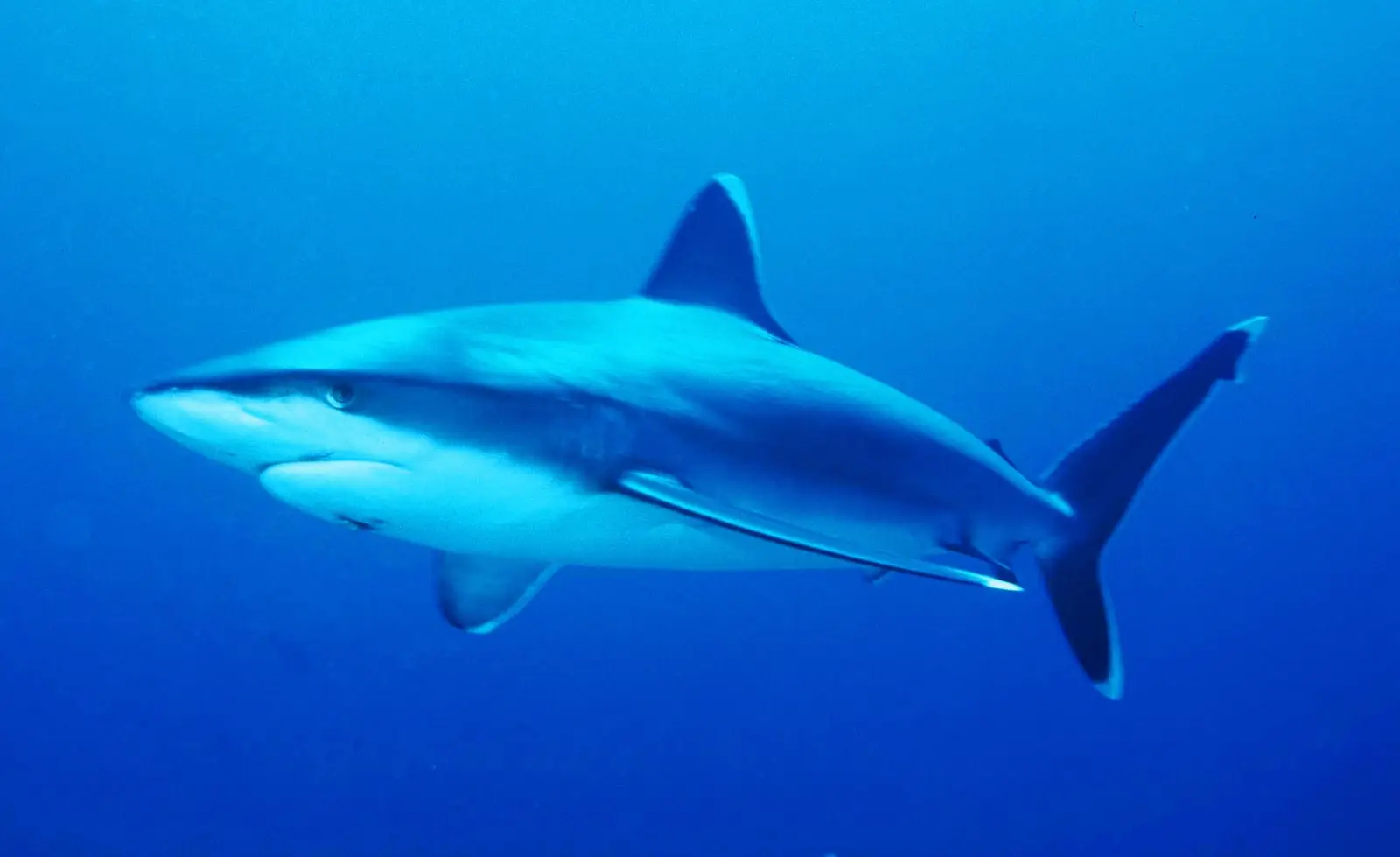
Silvertips turn up in the Maldives on the outer channel dives, where current runs in from open ocean past a reef corner — Fotteyo Kandu in Vaavu Atoll is a well-known one, and the remote southern atolls such as Huvadhoo produce them alongside silky and grey reef sharks. This is a shark you meet rather than book: the channels are dived for their whole cast, and a silvertip is the standout when one shows.
Best time: Northeast monsoon, roughly December to April, for the clearest channel diving
Consistently reported, but a good way short of a sure thing.
When to go
The northeast monsoon, roughly December to April, gives the clearest water and the most predictable currents on the eastern channels, which is where this diving is done. The southwest monsoon flips the productive side of the atolls and brings more plankton and lower visibility, better for mantas and whale sharks than for spotting a shark at range. Water sits around 27–30°C year-round.
Best dive sites for silvertip sharks in the Maldives
-
Fotteyo Kandu, Vaavu Atoll
A celebrated channel dive on the eastern rim, with caves and overhangs along the edge and strong incoming current. Grey reef sharks are the constant; silvertips and hammerheads are the reason advanced divers keep coming back.
-
The Huvadhoo channels
One of the largest and most isolated atolls in the country, far south and reached mainly by liveaboard. Its channels hold up to a dozen shark species, with silvertips in the current alongside silkies.
How to see them
These are advanced channel dives: negative entries, reef hooks, and a plan built around an incoming tide that brings clear ocean water and the animals with it. Book a liveaboard rather than a resort if silvertips are what you care about, because the productive channels are spread across atolls and the southern ones are effectively liveaboard-only. Ask the cruise director directly — dive guides here know which corners have produced silvertips recently, and that local knowledge is worth more than any site list. Nitrox helps, since the good depth is 25–35 m in current.
What an encounter is like
Grey reef sharks in numbers as the baseline, with a silvertip appearing as a noticeably larger, white-edged animal that comes in closer and more directly than the greys do. One or two rather than a school. Expect current strong enough to need a hook, eagle rays and dogtooth tuna in the same water, and the real possibility of a blank on silvertips specifically — they are uncommon, and honest operators will tell you so rather than promise them.
Frequently asked questions
- Are silvertips reliable in the Maldives?
- No, and it is worth being clear about that. They are uncommon here and turn up as a bonus on channel dives rather than as a bookable target. If a dependable silvertip encounter is the goal, Beqa Lagoon in Fiji is the place that delivers one.
- What level of diver do I need to be?
- Advanced, genuinely. The productive channels involve strong current, negative entries, reef hooks and depths around 25–35 m. Comfort in current matters far more than any card.
- How do I tell it from the grey reef sharks around it?
- Size and fin edges. The silvertip is a metre or so longer and bulkier, and every fin carries a broad bright white margin. Grey reef sharks have a distinctly black-edged tail, which is the opposite marking and easy to read once you know to look.
Sources
- Best places to dive with sharks in the Maldives — ZuBlu
- Maldives Shark Diving: The Top Dive Sites — SSI (Scuba Schools International)
- Silvertip Shark — SSI MyDiveGuide