Raja Ampat, West Papua
Where to see leopard sharks in Indonesia
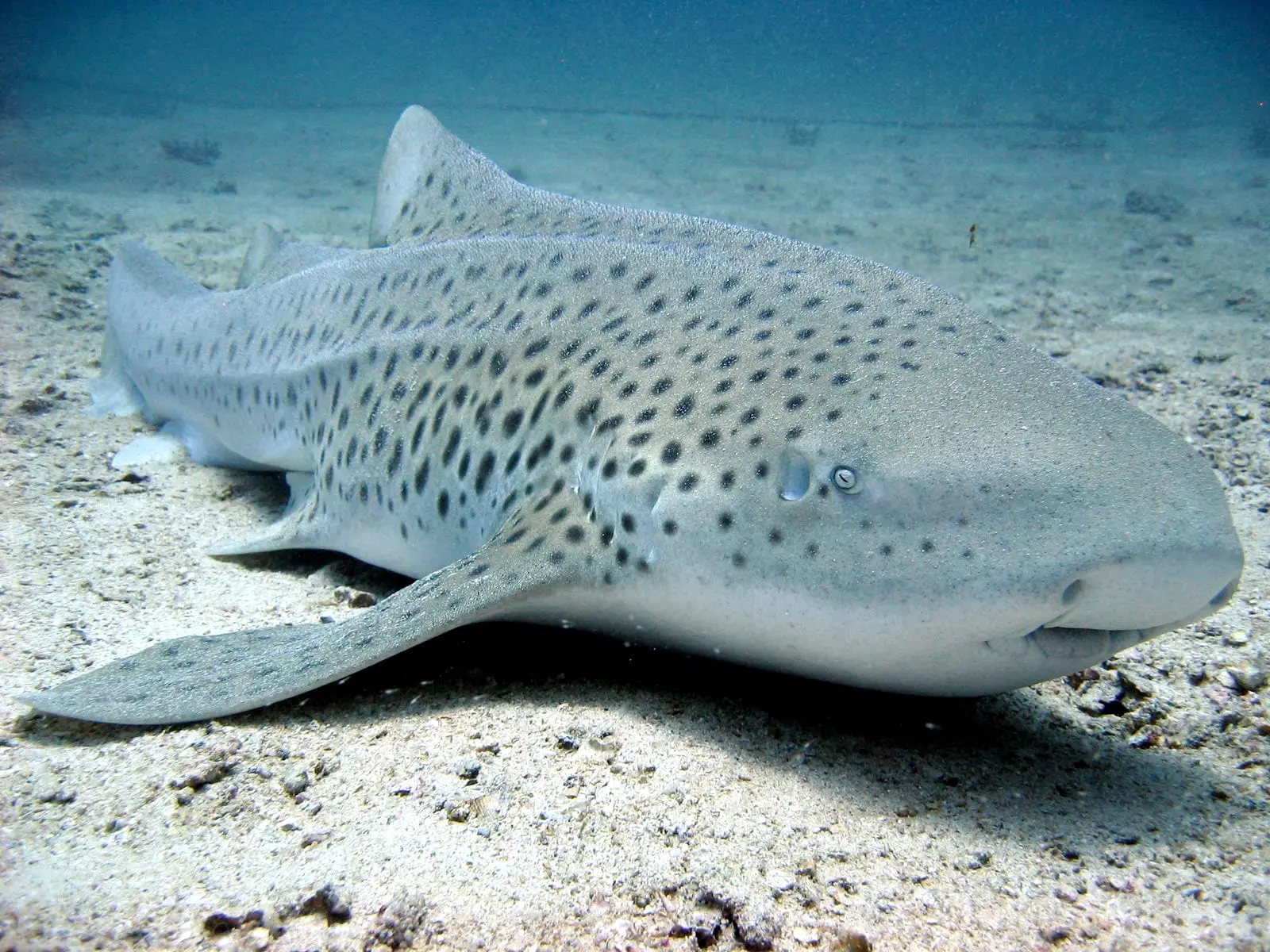
Raja Ampat is where this species is being brought back, not where you should expect to see one. Twenty years of surveys totalling more than 15,000 hours recorded only three wild individuals across the archipelago, and guides historically reported around one sighting a year. Since 2023 the StAR project has released captive-bred juveniles at Wayag, and confirmed sightings have started to tick upward.
Best time: October to April, the general Raja Ampat season — no shark-specific peak
When to go
October to April is the general Raja Ampat dive season, with the calmest seas and most liveaboards running. There is no known seasonal peak for the sharks themselves — recent confirmed sightings are scattered across the year and the sample is far too small to infer a pattern.
Best dive sites for leopard sharks in Indonesia
-
Wayag Lagoon
The StAR release site, remote and inside a strictly enforced no-take zone. Sightings here are mostly by project monitoring teams rather than visiting divers.
-
Cape Kri and Mios Kon, Dampier Strait
Where several recent confirmed sightings occurred, and the most accessible of them on a normal dive itinerary.
-
South Misool
Scattered records from the ridges and sand slopes, with no pattern to plan around.
How to see them
Treat this as an incidental find on a sand-bottom or rubble-slope dive rather than a target. Watch the sand shelves and channel edges beside the big Dampier Strait pinnacles rather than the reef wall itself, especially early in a dive before the site is stirred up. If you do find one, the reporting matters as much as the photograph: the project runs on citizen-science submissions, and a clear shot of the spot pattern along the flank identifies the individual. Approach from the side, stay a couple of body lengths off, and do not chase — these are recently released juveniles under study.
What an encounter is like
Be honest with yourself about the odds: the realistic probability on any given Raja Ampat dive remains very low, in the low single-digit percent even now. Raja Ampat is a superb trip for a hundred other reasons, and a leopard shark there is a lottery ticket with a conservation story attached rather than a reason to book. Numbers should improve over the coming decade if the release programme meets its targets, so this entry will need revisiting.
Frequently asked questions
- Can you see leopard sharks in Raja Ampat?
- Rarely. The population was fished out almost entirely, and two decades of survey work recorded only three wild individuals. A reintroduction programme has been releasing captive-bred juveniles since 2023.
- What is the StAR project?
- Stegostoma tigrinum Augmentation and Recovery, run under the ReShark coalition with the West Papua government and partners. Eggs from partner aquariums are hatched and head-started in Raja Ampat, then released into no-take zones.
- What should I do if I see one?
- Photograph the spot pattern along its flank and report the sighting. The pattern identifies the individual, and the monitoring programme depends on diver submissions.
Sources
- Resurfacing of a species: Recent leopard shark sightings in Raja Ampat — ReShark
- Global collaboration, StAR, to re-establish once abundant zebra sharks in Raja Ampat — Conservation International